Planting
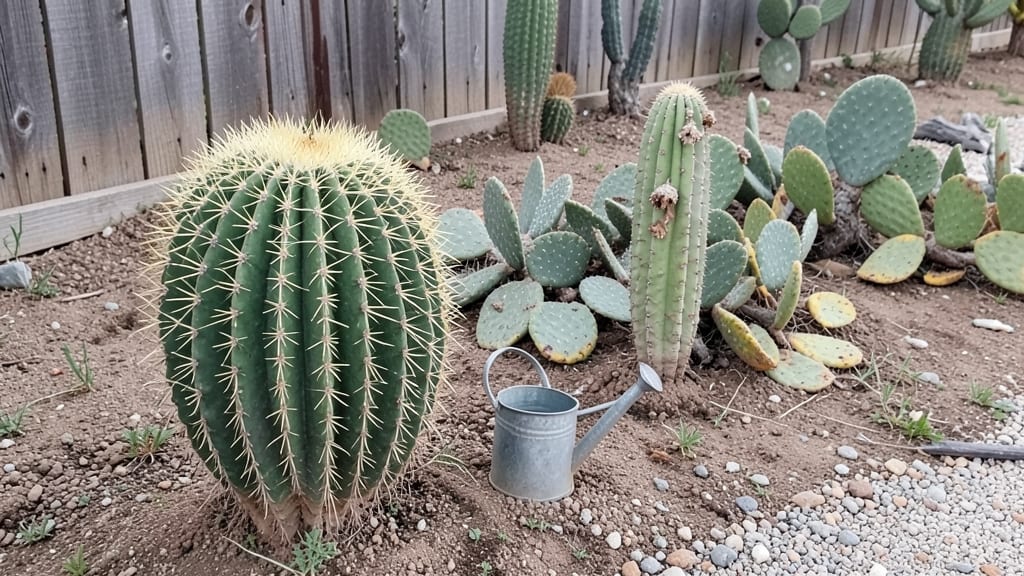
A cactus plant garden turns your yard into a striking desert oasis that thrives on neglect. I designed mine after struggling with wilting annuals—now it’s the most carefree corner of my property, covered in textures from fuzzy chollas to sleek agaves.
The key isn’t just picking the right plants; it’s arranging them so they look intentional, whether you go for a wild Southwest vibe or a polished container display.
Start with 3-5 cactus varieties that complement each other in height and shape—tall snakecacti as backdrops, rosette-forming agaves in the middle, and low-growing sedums or echeverias spilling over edges. Pair them with drought-tolerant perennials like lavender or Russian sage to soften the look without extra watering.
My favorite trick? Grouping cacti by color—deep greens with purple-tinged agaves or silvery blue echinocacti for a monochromatic punch.
By summer, your garden will hum with life without a drop of extra water. The velvety spines of a prickly pear catch morning light, while the glossy ribs of a blue barrel cactus reflect sunlight like polished stone.
Even in winter, the frost-kissed edges of agave leaves add texture when most gardens go dormant. The best part? No weekly watering, no deadheading, just pure, zero-fuss beauty that grows more impressive each year.
Works in containers, raised beds, or ground plantings—even urban balconies with the right pots. Let’s make yours the envy of the neighborhood while keeping your water bill low.
📚 In This Guide
- What you need
- Instructions
- Tips and common mistakes
- Wrapping up and next steps
What you need
- ● Cactus plants: 5–10 (mix of sizes/shapes for variety—e.g., Mammillaria, Echeveria, or Opuntia).
- ● Well-draining soil: 10–20 lbs of cactus/succulent mix (or 60% potting soil + 40% perlite/pumice).
- ● Containers or garden bed: Potted option: 5–10 terracotta or ceramic pots (3–6" diameter, with drainage holes).
- ● Garden bed: Sunny, sloped area (6–12 sq. ft.) with no standing water.
- ● Gravel or pebbles: 5–10 lbs (for drainage/decor—quartz or lava rock works best).
- ● Gloves: 1 pair (thick gardening gloves to avoid prickles!).
- ● Trowel or shovel: 1 (for planting/soil adjustments).
- ● Watering can (or spray bottle): 1 (with a narrow spout for precision).
- ○ Optional: Decorative rocks or mulch (for aesthetics).
- ● Slow-release fertilizer (balanced 10-10-10, 1–2 tbsp per plant).
- ● Humidity tray (if indoors, for tropical cacti like Rhipsalis).
- ● Sunlight: 6+ hours of direct sun daily (south/west-facing spot ideal).
- ● Climate: USDA Zones 9–11 (or hardy cacti like Opuntia for cooler zones).
- ● Drainage: No soggy soil! Ensure pots/beds have exit holes or a slight slope.
Step-by-step instructions for designing a thriving cactus plant garden
Creating a stunning cactus garden takes minimal effort but delivers maximum visual impact. Here’s how to assemble a collection that thrives with almost no maintenance.
Select the Right Cactus Varieties for Your Climate
Start by choosing cacti suited to your hardiness zone—most thrive in USDA Zones 9-11, but some varieties like Opuntia (prickly pear) handle cooler climates down to Zone 5. I always group plants by sun and water needs: place sun-loving species like Echinocactus in the brightest spot, while shade-tolerant types such as Mammillaria can live in partial light. Avoid mixing moisture-loving cacti (like Rhipsalis) with drought-resistant ones—they’ll compete for resources and fail.
For a 4-plant collection, I recommend starting with one columnar (like Pachycereus), one globular (such as Ferocactus), one flowering (e.g., Epiphyllum), and one ground cover (like Opuntia microdasys). This mix ensures height, texture, and seasonal interest. Check each plant’s mature size—some Pachycereus varieties grow 20+ feet tall, while Mammillaria stay under 6 inches.
Prepare the Soil and Planting Site
Cacti despise heavy, moisture-retentive soil—use the 3 gallons of cactus/succulent mix to create a fast-draining foundation. Amend it with 1 cup of perlite or pumice per gallon to prevent compaction. I avoid garden soil entirely; even a small amount can introduce fungi that rot roots overnight. If planting outdoors, choose a south-facing slope (if possible) to maximize drainage—water should run off within 30 minutes of a heavy rain.
For container gardens, select pots with multiple drainage holes and fill the bottom 2 inches with gravel or broken pottery. This extra layer prevents root rot by keeping moisture away from the base. If planting in the ground, dig a hole twice as wide as the root ball but only as deep—burying too far encourages stem rot. Tap the soil gently after planting to eliminate air pockets, then water sparingly to settle it.
Arrange Plants for Aesthetic and Functional Balance
Place taller cacti at the back or center of your garden to create focal points, while smaller varieties fill gaps at the front. I like to stagger heights—Pachycereus in the middle, Ferocactus to the side, and Opuntia along the edges. Space plants 6-12 inches apart, depending on their mature width; crowded cacti compete for nutrients and light, leading to stunted growth. For a 4-plant setup, arrange them in a loose diamond formation to maximize visual flow.
If using containers, group plants with similar water needs together. A 12-inch pot can hold one medium-sized cactus, while a 18-inch planter accommodates 3-4 smaller varieties. Avoid overcrowding—roots need room to breathe. Mulch with ½ inch of coarse sand or gravel (not organic mulch) to reflect sunlight and deter weeds, which cacti can’t tolerate.
Establish a Watering Routine That Prevents Rot
Water deeply but infrequently—this is the golden rule for cacti. In summer, soak the soil until water runs out the drainage holes, then wait 7-10 days before repeating. In winter, reduce watering to every 4-6 weeks, as growth slows. I use a watering can with a narrow spout to direct moisture at the base, avoiding the crown (which rots if wet). Never let cacti sit in saucers of water—empty them immediately after watering.
Watch for shriveled skin or sunken patches—these signal underwatering. Conversely, yellowing or mushy stems mean overwatering. Adjust your schedule based on rainfall and temperature: in 90°F+ heat, plants may need water every 5-7 days, while cooler spells extend the gap to 10-14 days. A moisture meter helps, but I often rely on the "finger test"—stick your index finger 1 inch into the soil; if it’s dry, it’s time to water.
Provide Seasonal Care for Long-Term Health
In spring, fertilize lightly with a balanced 10-10-10 fertilizer (½ teaspoon per gallon of soil) to encourage new growth. Stop fertilizing in late summer—cacti go dormant as temperatures drop, and feeding at this time stresses them. I also rotate containers every few weeks to ensure even sun exposure, preventing lopsided growth. If planting outdoors, acclimate new cacti over 2-3 weeks by gradually increasing their sun exposure to avoid sunburn.
In winter, reduce light if your cacti are indoors—12-14 hours of daylight is ideal. If frost threatens, move potted plants to a garage or sheltered porch where temperatures stay above 35°F. Prickly pear (Opuntia) can handle brief freezes, but most cacti suffer damage below 28°F. Watch for pests like mealybugs or scale—wipe stems with a 70% isopropyl alcohol solution if you spot cottony residue or sticky sap. Prevention is key: inspect plants weekly during warm months.
Tips & tricks for designing a thriving cactus garden
Building a cactus garden that thrives with minimal care requires attention to detail in plant selection and environmental conditions. These insights will help you create a visually stunning, low-maintenance desert oasis that flourishes year after year.
Climate Matching: When selecting cacti for your garden, verify each variety's hardiness zone compatibility. I always cross-reference the USDA zone map with each plant's label—this prevents costly mistakes. For example, Pachycereus thrives in Zones 9-11, while Opuntia can handle Zone 5's cooler temperatures. Grouping plants by their sun requirements (full sun vs. partial shade) creates microclimates that optimize growth and prevent stress.
Soil Preparation: The foundation of any successful cactus garden lies in proper soil preparation. For the 3 gallons of cactus/succulent mix recommended, I add an extra ½ cup of coarse sand to each gallon beyond the 1 cup of perlite or pumice called for. This additional sand improves drainage further, especially in clay-heavy soils. When planting outdoors, test your site's drainage by pouring 1 gallon of water—if it doesn't drain within 30 minutes, consider raised beds or containers.
Container Considerations: For container gardens, I recommend using terra cotta pots rather than plastic—they breathe better and help prevent root rot. When selecting pots, prioritize those with at least 4 drainage holes and add an extra 1 inch of gravel or broken pottery beyond the recommended 2 inches at the bottom. This creates a more robust moisture barrier. For larger containers, I use a 12-inch pot for single medium-sized cacti and a 18-inch planter for groups of 3-4 smaller varieties, leaving 2 inches of space between plants to prevent root competition.
Seasonal Adjustments: The 12-14 hours of daylight recommended for indoor cacti in winter requires careful monitoring. I use a simple timer to ensure my plants receive consistent light exposure. During summer, when temperatures exceed 90°F, I provide afternoon shade for delicate varieties like Epiphyllum to prevent sunburn. In winter, if frost threatens and temperatures drop below 35°F, I move all but the hardiest Opuntia varieties to protected spaces, ensuring they don't experience temperatures below 28°F.
Pro Tips for Cactus Plant Garden
- Building a cactus garden that thrives with minimal care requires attention to detail in plant selection and environmental conditions.
- Climate Matching: When selecting cacti for your garden, verify each variety's hardiness zone compatibility.
- Soil Preparation: The foundation of any successful cactus garden lies in proper soil preparation.
Frequently asked questions
Got questions about creating your own cactus plant garden?
You’re not alone! Here are some of the most common queries—plus straightforward answers to help you thrive with these low-maintenance beauties.
How much sunlight do cacti really need?
Most cacti thrive in 6–8 hours of direct sunlight daily. Place them near a south- or west-facing window or outdoors in full sun. Overly shady spots can cause leggy growth or pale color, while too much scorching heat may scorch delicate species. Rotate pots occasionally for even exposure!
How often should I water my cactus garden?
Water only when the soil is completely dry—typically every 2–4 weeks in warm weather, and once a month or less in winter. Stick your finger 1–2 inches deep; if dry, it’s time. Overwatering is the #1 killer! Use well-draining soil and pots with drainage holes to prevent root rot.
Can I grow cacti indoors year-round?
Choose smaller species like Christmas cactus or snake plants for indoor spaces. Place them near bright windows or under grow lights (12+ hours/day). Watch for pests like mealybugs—isolate new plants until you’re sure they’re healthy. A humidity tray can help desert cacti adapt indoors.
What’s the best temperature range for cacti?
Most cacti love 70–100°F (21–38°C) during the day and 50–60°F (10–15°C) at night. Avoid frost (<32°F/0°C)—move potted cacti indoors or cover outdoor gardens. Heatwaves? Provide shade cloth to prevent sunburn on tender varieties like Echinocactus.
How do I repot a cactus without getting pricked?
Use thick gloves and wrap the cactus in a towel or newspaper. Gently squeeze the base to loosen it from the pot, then transfer to fresh, fast-draining cactus soil. Wait 1–2 weeks before watering to let wounds heal. Pro tip: Add a layer of gravel at the bottom to boost drainage!
Wrapping up and next steps
Creating a cactus plant garden is a rewarding way to add drought-resistant beauty to your space with minimal effort! These hardy plants thrive in sunny spots, require little water, and bring a unique, low-maintenance charm to any outdoor or indoor setting.
Whether you're a beginner or a seasoned gardener, a cactus garden is the perfect way to enjoy nature’s resilience while keeping your green thumb happy.
Ready to dive in? Start small—pick a few easy-care cacti, gather your supplies, and let your new garden grow! 🌵✨ Your next step? Sketch a layout, grab those pots, and watch your desert oasis come to life!