Blooming
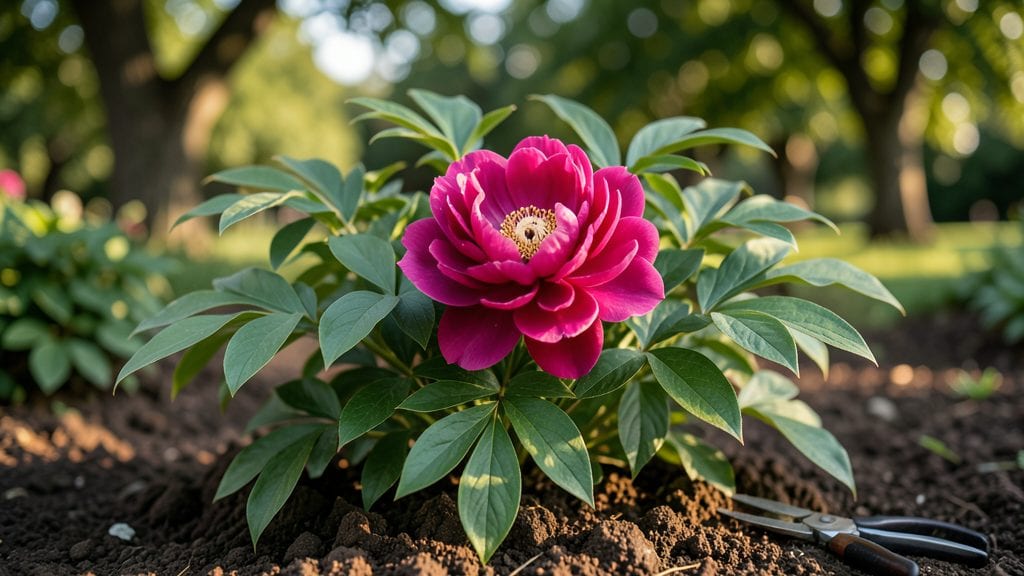
Designing gardens that burst with color all year isn’t just possible—it’s easier than you think when you focus on blooms and gardens with intentional pruning.
I’ve transformed my own yard from a seasonal muddle to a year-round showpiece by choosing plants that bloom in waves and knowing exactly when to cut them back. The trick lies in layering plants that overlap their peak seasons, so while one fades, another takes over.
Start with a mix of early bloomers like hellebores and winter jasmine, midseason stars such as roses and peonies, and late-season performers like asters and chrysanthemums. Pair them with evergreen shrubs and foliage plants that add texture and structure when flowers take a break.
A 30-minute weekly pruning session keeps everything tidy and encourages more blooms—no fancy tools or degrees in horticulture required. The payoff? A garden that never looks bare, even in winter.
You’ll end up with a space that feels alive in every season—spring’s soft pastels, summer’s bold hues, and fall’s fiery tones.
The key is pruning at the right time: after the first flush of blooms for spring flowers, in late winter for summer bloomers, and in early spring for late-season varieties. It’s a rhythm that becomes second nature once you get the hang of it.
Before you know it, neighbors will be asking for your secret.
This approach works for any garden style—cottage, modern, or pollinator-friendly—and adapts to most climates. The only real rule? Don’t overthink it. Start small, observe what thrives, and adjust as you go. Your garden will thank you with color that lasts from January to December.
📚 In This Guide
- What you need
- Instructions
- Tips and common mistakes
- Wrapping up and next steps
What you need
- ● Pruning shears: Bypass pruners (sharp, 6–8" blades) for clean cuts.
- ● Hand pruners: Small, ergonomic (4–5" blades) for delicate trimming.
- ● Loppers: Long-handled (18–24") for thicker branches (½–1.5" diameter).
- ● Pruning saw: Curved-tooth saw for stubborn, thick stems (1.5"+).
- ● Gloves: Heavy-duty, cut-resistant (e.g., leather or synthetic mesh).
- ● Disinfectant: 70% isopropyl alcohol or bleach solution (1 part bleach : 9 parts water) to sterilize tools.
- ● Plant supports: Stakes, cages, or trellises (adjustable height, non-corrosive metal or wood).
- ● Mulch: Organic (shredded bark, straw) or inorganic (gravel, rubber chips) for moisture retention.
- ● Fertilizer: Slow-release granular (10-10-10 NPK ratio) or organic compost (aged, 2–3" layer).
- ● Watering can/hose: Adjustable nozzle (gentle spray for seedlings, stream for established plants).
- ● Plant markers: Biodegradable labels or stakes for tracking varieties.
- ● Seasonal plants: Choose 3–5 per season (e.g., pansies for winter, geraniums for summer).
- ● Extension pole: For high-reach pruning (10–12' adjustable).
- ● Knee pads: Cushioned for comfort during low-level gardening.
- ● Soil tester kit: pH strips or meter to monitor plant health.
- ● Hose nozzle with shut-off: Prevents accidental water waste.
- ● Decorative rocks: For edging or drainage in containers.
- ● Solar-powered lights: LED stakes or path lights for evening ambiance.
How to design a year-round color garden with pruning Precision
A vibrant garden thrives on thoughtful planning and strategic pruning. Here's how to create continuous blooms with intentional cuts that keep your landscape dynamic.
Group Plants by Seasonal Interest
Start by organizing plants into four distinct groups based on their peak bloom times: early spring, late spring, summer, and fall/winter. I like to sketch a simple garden map first—this helps visualize how colors will transition. For example, pair early spring bulbs like daffodils with late winter pansies to create seamless color flow. Use the 3-foot spacing rule as your baseline for mature plant sizes, but adjust based on each plant's growth habit.
Label each group clearly on your map. This ensures you'll always have something in bloom, even when some plants are dormant. I've found that mixing perennials with annuals works best—perennials provide structure while annuals fill gaps with vibrant pops of color. Don't forget to note any plants that offer winter interest through seed heads or evergreen foliage.
Implement the "Third Cut" Pruning System
This is where the magic happens: prune each plant group at three key times—after the first flush of blooms, mid-season, and at the end of the growing season. For spring bloomers like lilacs, I cut back immediately after flowering to redirect energy to next year's buds. Summer bloomers get their first prune after the first flush, then again after the second flush if they're repeat bloomers like coneflowers.
Use sharp, clean pruners to make cuts at a 45-degree angle just above a leaf node. This encourages bushier growth and prevents disease. I always sterilize my tools with rubbing alcohol between cuts—it's a small step that prevents fungal spread. For woody plants, never remove more than one-third of the plant's volume in a single pruning session, or you'll shock the plant.
Create Layered Focal Points
Design your garden in three distinct layers: backdrop plants (6-8 feet tall), mid-height plants (3-5 feet), and foreground plants (under 3 feet). I recommend using evergreens like arborvitae or boxwoods as backdrops—they provide year-round structure. For mid-height, mix perennials like black-eyed Susans with ornamental grasses for texture. In the foreground, use low-growing plants like creeping thyme or ajuga to add color and prevent weeds.
Place your most vibrant annuals in the foreground where they'll be most visible. I like to create "color wheels" by planting flowers with complementary colors near each other—this draws the eye naturally through the garden. Remember to leave space between plants for air circulation, which reduces disease risk and makes pruning easier.
Schedule Seasonal Maintenance
Create a simple calendar with four seasonal checkpoints: early spring, late spring, summer, and fall. In early spring, focus on cleaning up winter debris and applying a fresh layer of mulch. Late spring is all about deadheading spent blooms and fertilizing perennials. During summer, I increase watering frequency but reduce fertilizer to prevent leggy growth. Fall is for dividing overcrowded perennials and cutting back any plants that died back naturally.
I keep a small notebook by my gardening tools to jot down notes about each plant's performance. This helps me remember which plants need special care or replacement. For example, if a particular rose variety gets black spot every summer, I'll replace it with a more disease-resistant variety next season. Regular maintenance keeps your garden looking intentional and reduces the amount of work needed during peak bloom seasons.
Refresh with Seasonal Swaps
Every 4-6 weeks, swap out a few annuals to keep your garden looking fresh. I like to use seasonal color palettes—cool blues and purples in spring, bright reds and oranges in summer, and warm golds and deep purples in fall. This creates a sense of progression through the year. For example, replace spring pansies with summer marigolds, then swap those for fall mums as temperatures drop.
Use the space left by spent perennials or bulbs to introduce new annuals. I always keep a few extra flats of annuals on hand for quick replacements. This technique keeps your garden looking vibrant without requiring major renovations. Don't forget to rotate container plants too—moving them to different spots every few weeks prevents disease buildup in the soil and gives you new views of your garden.
Tips & tricks for perfect year-round garden design
Creating a garden that blooms continuously takes more than just planting—it's about strategic planning and intentional pruning. Here are my go-to tips to help you avoid common pitfalls and achieve a vibrant, ever-changing landscape.
Seasonal Grouping Strategy: When organizing your plants by seasonal interest in Step 1, I recommend adding a fifth category for evergreen shrubs and ornamental grasses. These provide year-round structure and visual interest even when other plants are dormant. For example, I always include boxwoods or holly in my early spring group—they add immediate color and texture while other plants are still waking up.
Pruning Precision: In Step 2, the "Third Cut" system is brilliant, but here's what nobody tells you—mark your pruning dates on your garden map right next to each plant group. I use colored dots (red for spring, blue for summer, green for fall) to remind myself when each group needs attention. This visual system prevents missed pruning sessions and keeps your garden looking intentional year-round. Remember to always sterilize your tools between plants to prevent spreading disease.
Layering with Purpose: When creating your three-layer design in Step 3, think about the "rule of thirds" for visual balance. Place your tallest plants toward the back third of each section, mid-height plants in the middle third, and low-growing plants in the front third. This creates depth and draws the eye naturally through your garden. I also recommend leaving a 12-inch gap between each layer for easy maintenance and better air circulation.
Seasonal Swap Shortcuts: For Step 5, I keep a "swap schedule" in my gardening notebook with my seasonal color palettes and plant suggestions. This way, I can quickly reference what to replace when. I also recommend buying annuals in bulk during seasonal sales and storing them in a cool, dark place until needed. This saves money and ensures you always have fresh plants ready for swaps every 4-6 weeks.
Pro Tips for Blooms And Gardens
- Creating a garden that blooms continuously takes more than just planting—it's about strategic planning and intentional pruning.
- Seasonal Grouping Strategy: When organizing your plants by seasonal interest in Step 1, I recommend adding a fifth category for evergreen shrubs and ornamental grasses.
- Pruning Precision: In Step 2, the "Third Cut" system is brilliant, but here's what nobody tells you—mark your pruning dates on your garden map right next to each plant group.
Frequently asked questions
What’s the best time of year to prune flowering plants for year-round blooms?
Timing depends on the plant! Spring-bloomers (like lilacs or forsythia) need pruning right after flowering to encourage next year’s blooms. For summer/fall bloomers (e.g., roses or hydrangeas), prune in early spring before new growth starts. Evergreens and shrubs often tolerate pruning in late winter or early spring.
Can I prune too much? How do I avoid over-pruning?
Yes! Over-pruning can stress plants or even kill them. As a rule, never remove more than 1/3 of the plant’s foliage at once. Look for healthy stems—cut just above a bud or leaf node (the bump where leaves grow). If you’ve already pruned too much, stop immediately and focus on watering and fertilizing to help recovery.
Are there low-maintenance plants that still bloom year-round?
Try lavender, boxwood, or ornamental grasses for drought-tolerant options. Hydrangeas and butterfly bushes thrive with minimal pruning if deadheaded regularly. For shade, heucheras or hostas offer color with little fuss. Perennials like coneflowers also return yearly with proper care.
Why did my pruned plant stop blooming this year?
Several factors could be at play! Check for over-fertilization (too much nitrogen), which promotes leaves over flowers. Under-pruning (leaving too many old stems) or pruning at the wrong time can also halt blooms. Deadhead spent flowers regularly to encourage reblooming, and ensure your plant gets 6+ hours of sunlight daily.
How do I prune in rainy or cold weather?
Prune on dry, mild days (50–70°F) to reduce stress on plants. If you must prune in rain, use sterilized tools and avoid soggy soil to prevent disease. In cold climates, wait until late winter (when buds swell but before leaves emerge). Never prune in frost—it can damage tender new growth.
Wrapping up and next steps
Transforming your garden into a year-round canvas of color and life is all about pruning precision and strategic plant selection. Whether you’re a seasoned gardener or just starting, the key takeaway is simple: small adjustments make a big impact.
With the right tools, timing, and techniques, you can keep your blooms vibrant from frost to frost.
Ready to roll up your sleeves? Start by picking one section of your garden to refresh—maybe a shady corner or a sun-drenched border—and apply what you’ve learned. Every trim brings you closer to a lush, ever-changing oasis! 🌸✂️