
Vegetables
To create a big garden in Omaha, focus on sun-loving perennials like coneflowers and black-eyed Susans, drought-resistant grasses, and a smart layout that handles Omaha’s extreme seasons. Use windbreaks, raised beds for poor soil, and native plants to cut maintenance while maximizing space.
A big garden in Omaha thrives when you leverage the city’s 6-7 hours of daily sunlight and USDA Zone 5b-6a climate by selecting plants that handle both scorching summers and freezing winters. 🌞 My go-to plants include butterfly weed (for drought resistance) and Russian sage (for late-season color), which require minimal water once established.
The key is pairing these with edible perennials like asparagus to reduce annual replanting—saving time and money over the years.
For layout, I recommend dividing your space into three zones: a sun-loving center for vegetables and flowers, a partial-shade perimeter for shrubs, and a windbreak hedge on the north side.
This setup protects tender plants while creating natural microclimates. Raised beds are a game-changer for Omaha’s heavy clay soil, letting you control drainage and fertility without backbreaking work.
💡 In This Article
- Top Omaha-Climate Plants for Large Gardens
- Designing a Spacious Omaha Garden Layout
Top Omaha-climate plants for large gardens
Omaha's USDA Zone 5b-6a climate demands plants that can withstand 90°F+ summers and -10°F winters while thriving in the region's low-fertility, clay-heavy soil.
The secret lies in selecting native perennials with deep taproots (like coneflowers) that access moisture up to 6 feet underground, while others have waxy leaf coatings (such as Russian sage) to reduce water loss during droughts.
These adaptations allow plants to survive with 30-50% less water than non-native varieties.
For sun-drenched areas, black-eyed Susans (Rudbeckia hirta) dominate with their 3-4 foot height and 4-inch daisy-like blooms that attract pollinators while requiring zero summer watering once established. Their composite flower structure (multiple florets per bloom) extends the season by producing new flowers from the center outward.
Pair these with butterfly weed (Asclepias tuberosa), whose deep orange flowers bloom from June to September and support monarch butterflies with their milky sap—a natural pest deterrent.
Shade-tolerant options like foamflower (Tiarella cordifolia) thrive in 4-6 hours of morning sun and spread via rhizomes to create lush groundcover. Its hairy leaves reduce moisture loss, while spring blooms provide early nectar for bees.
For structure, serviceberry trees (Amelanchier spp.) offer 4-season interest: white spring flowers, edible purple berries, and fiery fall foliage. Their suckering habit creates natural hedges that block 20-30 mph winds—ideal for Omaha's exposed sites.
Drought-resistant grasses like little bluestem (Schizachyrium scoparium) add texture with blue-green blades that turn copper-red in fall. Its fibrous root system spreads 3-5 feet wide to stabilize soil and prevent erosion.
For year-round color, sedum varieties (like 'Autumn Joy') store water in succulent leaves and bloom from August through frost, even after 60 days without rain. 🌿
Consider these three-layer planting strategy for maximum impact:
- Top layer (3-6 ft): Tall perennials like Joe Pye weed (Eutrochium) for late-summer blooms and 9-foot height that attracts hummingbirds
- Middle layer (1-3 ft): Mid-height bloomers such as beebalm (Monarda) with red tubular flowers that repel Japanese beetles
- Ground layer: Creeping thyme (Thymus serpyllum) with fragrant foliage that deters rabbits and thrives in full sun
The science behind these choices is simple: native plants have evolved alongside Omaha's climate for thousands of years, developing natural resistance to local pests and diseases. For example, coneflowers produce pyrethrin compounds that repel aphids—a trait absent in most non-native flowers.
This reduces the need for chemical interventions while creating a self-sustaining ecosystem. 💫
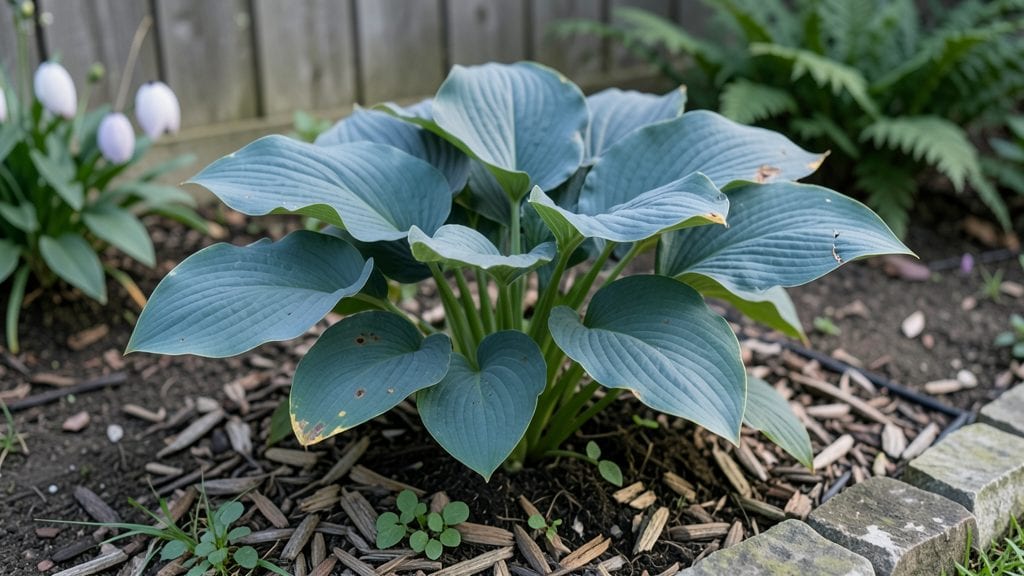
Pro tip: Group plants with similar water needs together to create hydrozones. For instance, pair drought-tolerant sedum with butterfly weed in one section, while moisture-loving hostas get their own area near a drip irrigation line.
This approach cuts water usage by up to 40% while maintaining a lush, low-maintenance landscape.